Urban Capybaras: How Cities Are Learning to Coexist
As South American cities expand, capybara populations are adapting to urban environments. Ecologists are developing frameworks for peaceful coexistence.
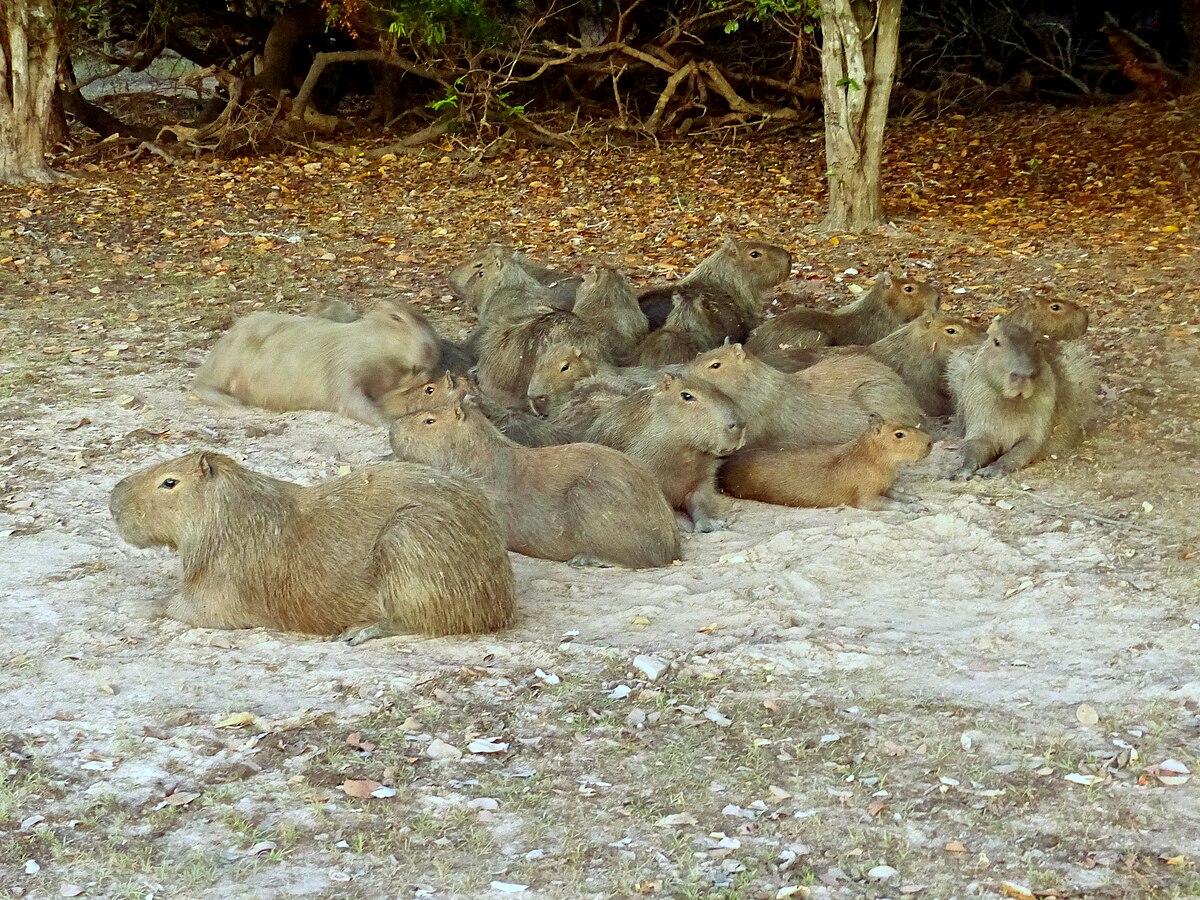
If you've spent any time in Buenos Aires, Curitiba, or São Paulo in recent years, you may have encountered an unlikely urban resident: the capybara. Once confined to rural wetlands and riverbanks, capybaras are increasingly turning up in city parks, golf courses, gated communities, and even highway medians. It's a phenomenon that has delighted some residents, alarmed others, and forced urban planners to confront a question they never anticipated: how do you design a city that works for 60-kilogram rodents?
Why Now?
The urbanization of capybaras isn't random. It's driven by a convergence of factors: habitat loss as wetlands are drained for development, the absence of natural predators (jaguars and anacondas tend not to thrive in city centers), abundant irrigated green spaces, and — critically — legal protections that prevent culling. In Argentina, capybaras are protected under federal wildlife law. In Brazil, they're classified as common fauna and cannot be hunted without special authorization.
The result is a population boom in urban green corridors. A 2024 census in Nordelta, a wealthy gated community north of Buenos Aires built on reclaimed wetland, estimated over 400 capybaras living within its boundaries. Residents reported capybaras grazing on private lawns, defecating in swimming pools, and in one memorable incident, blocking the entrance to a luxury spa.
The Conflict Zones
Not everyone finds the capybara invasion charming. Residents of Nordelta have reported property damage — capybaras can destroy gardens overnight and their burrows undermine foundations and roadways. There are legitimate public health concerns: capybaras are hosts for the Amblyomma sculptum tick, which can transmit Brazilian spotted fever to humans. In areas where capybara density is high, tick-borne disease risk increases.
Traffic incidents are another concern. A capybara on a roadway is a serious hazard — they're large enough to cause significant vehicle damage and they tend to freeze when caught in headlights. Several Brazilian cities have reported increases in capybara-related traffic accidents, particularly along highways that bisect wetland corridors.
The Coexistence Framework
Ecologist Dr. Patricia Meirelles at the Federal University of Paraná has been developing what she calls the "urban capybara coexistence framework" — a set of planning and management guidelines designed to reduce human-capybara conflict while maintaining healthy urban populations.
The framework has several components. First, maintaining and connecting green corridors along waterways so that capybara populations can move through cities without forcing conflict in residential areas. Second, managing vegetation in high-density capybara zones to reduce tick habitat (ticks thrive in tall grass and leaf litter). Third, public education campaigns to help residents understand capybara behavior and reduce negative interactions.
"The single most important thing," Dr. Meirelles says, "is to stop feeding them. When people feed capybaras, the animals lose their natural wariness of humans, population density increases beyond what the habitat can support, and conflicts escalate. Every fed capybara is a future problem capybara."
Design Solutions
Some cities are getting creative. Curitiba, long regarded as a model of urban environmental planning, has incorporated capybara habitat into its park system. The Barigui Park, which follows the Barigui River through the city's west side, was redesigned in 2023 to include designated capybara zones — areas with managed grassland, water access, and buffer vegetation that separates the capybara habitat from pedestrian paths.
The park also installed "capybara crossings" — underpasses beneath park roads that allow the animals to move between habitat zones without crossing traffic. Monitoring data shows that capybara road mortality in the park has dropped 70% since the crossings were installed.
A Bigger Question
The urban capybara phenomenon is, in many ways, a test case for a much larger challenge: how to maintain biodiversity in an increasingly urbanized world. Capybaras are unusually well-suited to urban life — they're adaptable, resilient, and charismatic enough to generate public sympathy. Most urban wildlife isn't so lucky.
If we can learn to share our cities with capybaras — managing conflicts humanely, maintaining habitat corridors, and adjusting our expectations of what a city can be — we'll have developed tools and frameworks applicable to a much wider range of species. The capybara, in its placid, unhurried way, might just be teaching us how to build better cities.