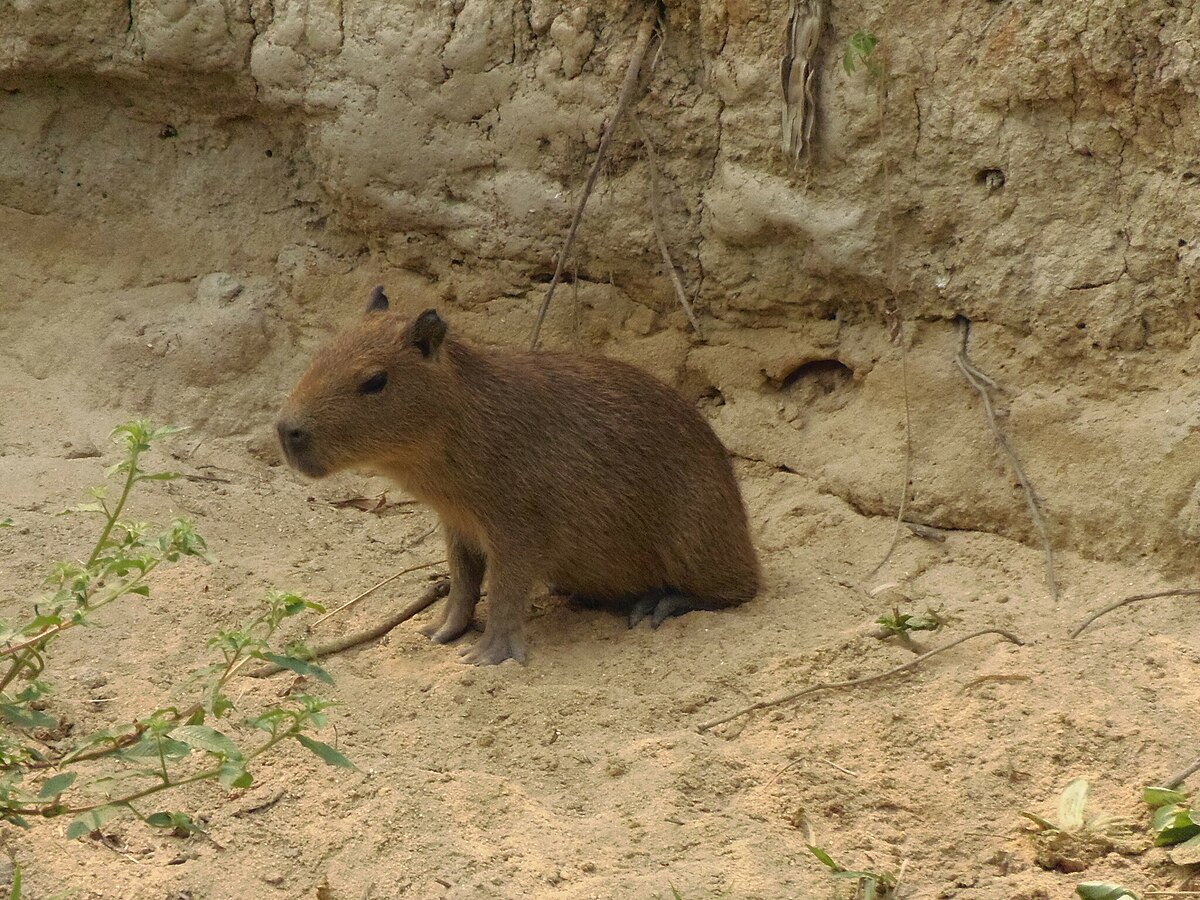
Hot Spring Season: Capybaras in Onsen
Every winter, zoos across Japan fill outdoor baths for their capybara residents. The resulting scenes are pure joy.
The tradition began, as many great traditions do, almost by accident. In 1982, a zookeeper at Izu Shaboten Zoo in Shizuoka Prefecture noticed that the facility's capybaras were drawn to a puddle of warm water that had collected near a hot water pipe. He filled a shallow trough with warm water and watched as the capybaras lined up to soak. Forty-four years later, "capybara onsen" is a national institution.
The Annual Ritual
Every year, from late November through February, zoos and animal parks across Japan prepare outdoor hot spring baths for their capybara residents. The timing coincides with Japan's winter, when temperatures drop low enough to make the warm water genuinely appealing to the animals rather than merely tolerable.
The preparations are surprisingly elaborate. At Izu Shaboten Zoo, the outdoor bath is filled with water heated to approximately 40°C (104°F) — roughly the same temperature as a human onsen. Yuzu citrus fruits are floated on the surface, both for the visual spectacle and because the citrus oils are believed to have mild skin-soothing properties. The capybaras, who seem to understand the seasonal ritual, begin congregating near the bath area days before it's officially opened.
Why They Love It
Capybaras are native to tropical and subtropical South America, where temperatures rarely drop below 10°C. Japanese winters, even in the relatively mild Shizuoka region, can be genuinely uncomfortable for them. The warm baths serve a thermoregulatory function — but watching the animals' behavior suggests they derive pleasure well beyond simple warmth.
A soaking capybara enters what can only be described as a state of transcendence. The eyes half-close. The body settles into the water until only the top of the head is visible. The breathing slows. Occasionally, a capybara will emit a low, rolling purr — the same vocalization researchers have associated with contentment during social grooming sessions. It's as close to visible bliss as the animal kingdom gets.
The Cultural Phenomenon
The annual capybara onsen opening at Izu Shaboten Zoo is now a media event. Television crews from every major Japanese network cover the first soak of the season, and the footage reliably becomes the feel-good story of the week. Social media amplifies the phenomenon — the hashtag #カピバラ温泉 (capybara onsen) generates millions of impressions every winter.
The cultural resonance runs deeper than simple cuteness. Japan has a profound bathing culture, and there's something genuinely touching about watching another species participate in a ritual that occupies such an important place in Japanese daily life. The capybara's evident enjoyment of the experience creates a moment of cross-species recognition — they like this for the same reasons we do.
Beyond Japan
The capybara onsen tradition has begun spreading internationally. Zoos in South Korea, Taiwan, and even some European facilities have begun offering warm baths to their capybara populations during winter months. The Everland Zoo in South Korea launched its capybara bath program in 2023 and reported a 40% increase in winter attendance.
For many visitors, watching a capybara soak in a warm bath surrounded by floating yuzu is a genuinely transformative experience — not in any dramatic, life-changing sense, but in the quiet way that watching an animal be completely, unselfconsciously content can recalibrate your own sense of what matters. In a world of constant urgency, the soaking capybara offers a radical counter-proposal: what if we just... sat in warm water for a while?