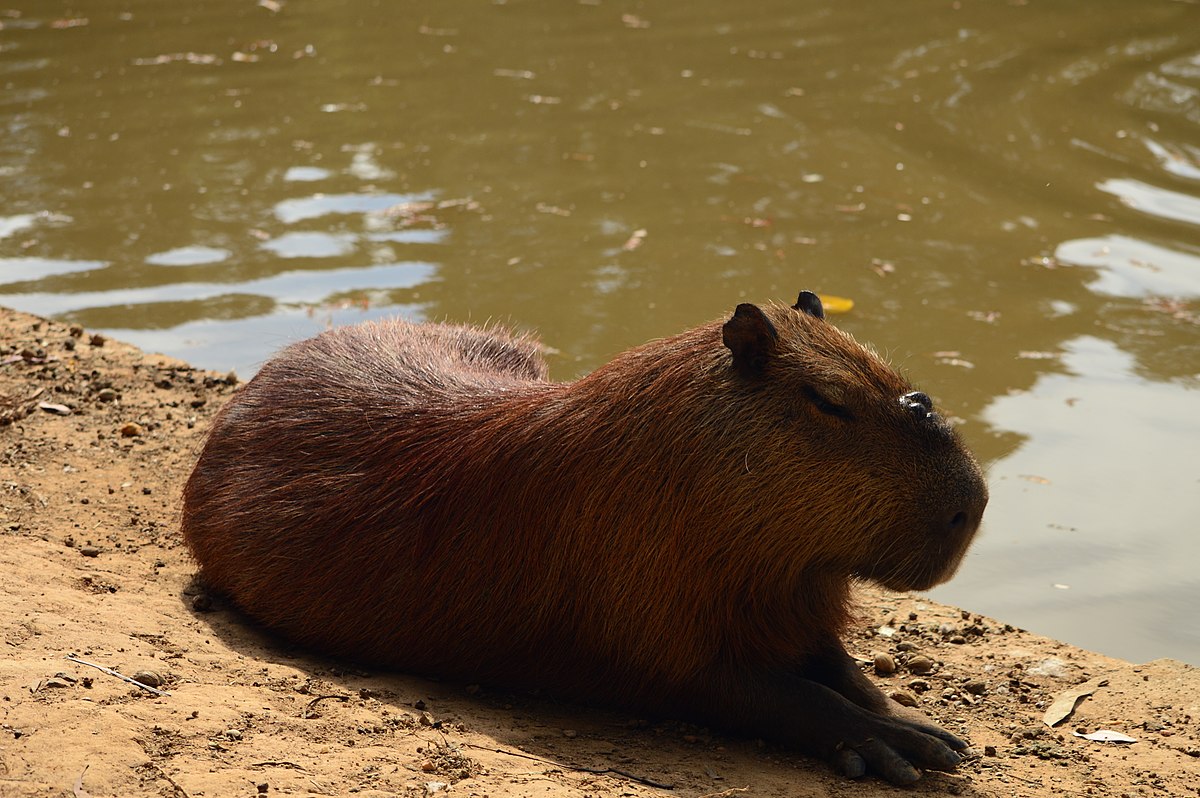
Capybara Cafés in Tokyo: The Complete Guide
Japan's capybara cafés offer an unparalleled chance to interact with these gentle giants. We visited five of the best and ranked them.
Japan's love affair with capybaras is one of those cultural phenomena that defies easy explanation. It might have started with the yuzu baths — the annual tradition at zoos like Izu Shaboten and Nagasaki Bio Park of filling outdoor hot springs with citrus fruits and letting capybaras soak in them. The resulting images, broadcast on national television every winter, turned capybaras into national treasures. From there, it was only a matter of time before capybara cafés appeared.
How Capybara Cafés Work
Unlike cat cafés, which are ubiquitous in Japanese cities, capybara cafés are rare — there are fewer than a dozen in the greater Tokyo area. Most operate on a reservation system with timed sessions of 30 to 60 minutes. Prices typically range from ¥1,500 to ¥3,000 (roughly $10 to $20 USD) per session, often including a small bag of approved food for feeding.
The cafés maintain strict rules: no sudden movements, no picking up the capybaras, no flash photography. Most require you to remove your shoes and sanitize your hands before entering the interaction area. The capybaras are free to approach or avoid visitors as they choose — this isn't a petting zoo where animals are constrained for your entertainment.
Our Top Five
1. Capybara Land, Kichijoji — The gold standard. A spacious indoor-outdoor facility with six capybaras, a small wading pool, and heated floor areas where the animals lounge on cool days. The staff are knowledgeable and clearly passionate about their animals' welfare. The capybaras here are notably relaxed and will often approach visitors on their own initiative. Sessions are 45 minutes, and the ¥2,500 admission includes feeding pellets and a drink from the attached café.
2. Moff Animal Café, Shimokitazawa — A multi-species animal café where capybaras share space with rabbits, chinchillas, and hedgehogs. The capybara section is smaller than dedicated facilities, but the two resident capybaras — Momo and Kuro — are exceptionally sociable. Momo, in particular, has a reputation for climbing into visitors' laps during floor-sitting sessions. Sessions are 30 minutes at ¥1,800.
3. Animal Room Ikemofu, Ikebukuro — Located in a multi-story entertainment building, this café offers a surprisingly intimate experience. The single capybara, Daifuku, has the run of a carpeted room with a small soaking tub. Daifuku is a geriatric gentleman of eight years and moves at a pace that can only be described as philosophical. Watching him slowly lower himself into his tub is a meditative experience. Sessions are 30 minutes at ¥2,000.
4. Capy Neko Café, Asakusa — As the name suggests, this is a capybara-and-cat combo café, and the interspecies dynamics are genuinely delightful. Three capybaras and roughly a dozen cats share a large open space, and the cats have clearly learned that capybaras make excellent heated furniture. At any given time, at least two cats will be draped across a resting capybara. Sessions are 60 minutes at ¥2,800.
5. Yokohama Capybara Park, Yokohama — Technically outside Tokyo proper but worth the 30-minute train ride. This is the largest facility on our list, with an outdoor area featuring a proper swimming pond, grazing lawn, and a heated shelter. The group of eight capybaras here live in the most naturalistic conditions of any café we visited. The trade-off is that they're somewhat less interested in human interaction — they have each other, after all. Sessions are 60 minutes at ¥3,000.
Ethical Considerations
We want to be transparent: there are legitimate welfare concerns about animal cafés, including capybara cafés. The best facilities prioritize animal welfare — providing adequate space, social grouping, veterinary care, and the ability for animals to retreat from human contact. The worst treat animals as interactive props.
All five cafés on our list were selected partly on welfare criteria. We looked for adequate space per animal, availability of water for soaking, evidence of veterinary oversight, and crucially, whether animals had retreat spaces where they could escape visitor attention. We declined to list two cafés that, in our assessment, fell short on these criteria.
If you visit a capybara café, pay attention to the animals' body language. A capybara that is repeatedly moving away from visitors, vocalizing in distress, or showing signs of skin irritation may not be in an optimal welfare situation. Your tourist dollars are a vote — spend them at places that treat their animals well.