Thinking About a Pet Capybara? Read This First
They're adorable, but capybaras require specialized care, ample water access, and social companionship. Here's the honest reality of capybara ownership.
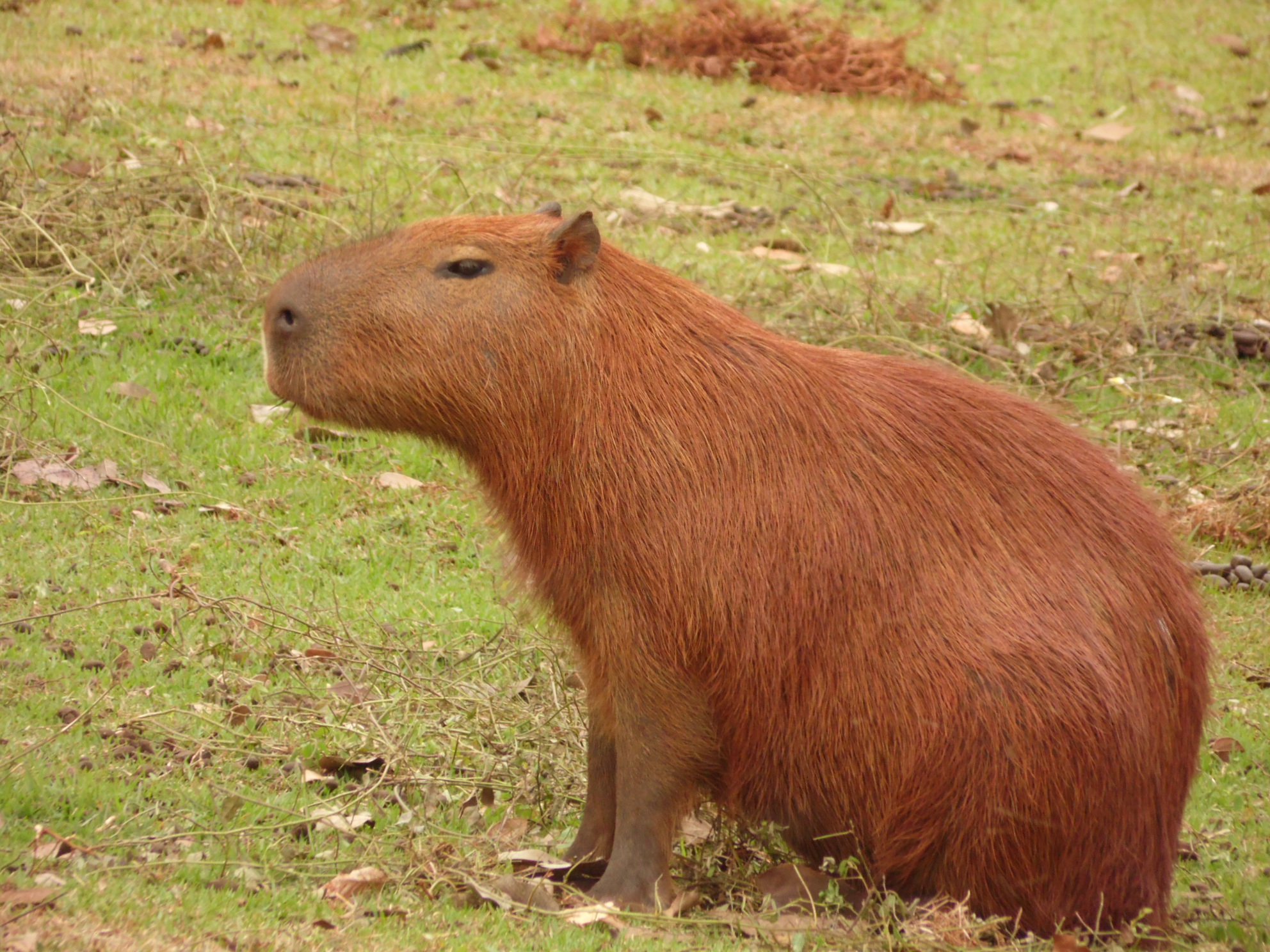
Every few months, a capybara video goes viral — usually one sitting contentedly in a hot spring, or snuggling with a cat, or simply existing with that trademark expression of serene indifference. And every time, the comments fill with variations of the same sentiment: "I need one." We understand the impulse. But before you start searching for capybara breeders, there are some realities you need to confront.
Legality: The First Hurdle
In many jurisdictions, capybaras are classified as exotic animals and require special permits — or are banned outright. In the United States, laws vary dramatically by state. Texas, Pennsylvania, and parts of New York allow capybara ownership with varying permit requirements. California, Georgia, and many other states prohibit it entirely. In the UK, you'll need a Dangerous Wild Animals license, which requires inspection of your facilities by a veterinarian appointed by your local council.
Even where legal, local zoning laws may prohibit keeping large rodents. Your homeowners' association almost certainly has opinions. Check every level of regulation before proceeding — rehoming a capybara you're no longer allowed to keep is a genuine crisis for the animal.
Space and Water: Non-Negotiable
Capybaras are semi-aquatic. This isn't a preference — it's a biological requirement. Their skin dries out and cracks without regular immersion. They defecate in water as a hygiene behavior. They regulate their body temperature by submerging. You need, at minimum, a pool or pond large enough for your capybara to fully submerge and swim. We're talking about an animal that can weigh 65 kilograms (140 pounds) and measure over a meter long. A kiddie pool won't cut it.
Beyond water, capybaras need space to graze. A large, securely fenced yard with access to grass is essential. They're grazing animals who can spend six to eight hours a day eating. Indoor-only capybara keeping is not viable — these animals need outdoor access, sunshine, and room to move.
Social Needs: You Are Not Enough
This is where most aspiring capybara owners hit the wall. Capybaras are intensely social animals who live in groups of 10 to 20 in the wild. A solitary capybara is a stressed, depressed capybara. Many exotic animal veterinarians will tell you that the single most common health issue they see in pet capybaras is stress-related illness stemming from social isolation.
The solution, ideally, is to keep at least two capybaras. This doubles your space, water, food, and veterinary costs. If you can't manage two, you'll need to spend several hours a day actively engaging with your capybara — and even then, you're a poor substitute for a conspecific companion.
Diet: More Complex Than You'd Think
Capybaras are herbivores whose diet in the wild consists primarily of grasses and aquatic plants. In captivity, the foundation of their diet should be high-quality grass hay (timothy or orchard grass), supplemented with fresh grasses, leafy greens, and a vitamin C supplement. Like guinea pigs — their close relatives — capybaras cannot synthesize their own vitamin C and are prone to scurvy without supplementation.
What they should not eat: fruit (except in very small quantities as treats), processed foods, or dog/cat food. Their digestive system is designed for high-fiber, low-sugar plant material. Overfeeding rich foods leads to obesity, dental problems, and digestive disorders.
Veterinary Care: Good Luck
Finding a veterinarian experienced with capybaras is genuinely difficult. Most small-animal vets have no training in capybara medicine. You'll likely need an exotic animal specialist, and even among exotics vets, capybara experience is rare. Emergency veterinary care at 2 a.m. on a Saturday? Almost certainly unavailable for your capybara.
Common health issues include dental malocclusion (their constantly growing teeth can become misaligned), skin infections (especially in cold or dry climates), heat stroke, and parasitic infections. Veterinary costs for exotic animals are typically two to three times higher than for dogs or cats.
The Honest Summary
Capybaras are magnificent animals. They are also wild animals with complex needs that are extremely difficult to meet in a domestic setting. The vast majority of people who acquire pet capybaras eventually surrender them to sanctuaries or rescue organizations — not because they stopped caring, but because the reality of daily care overwhelmed their resources.
If you genuinely love capybaras, the most ethical path is to support conservation efforts in their native habitat, visit them at accredited sanctuaries and zoos, and advocate for wetland preservation in South America. Leave the capybara-keeping to the professionals who can provide the space, social groups, and specialized care these animals deserve.